
The White Fence
First I got chased by cops through a downtown L.A. tunnel, then my studio was invaded by gang members. Well, they were actually invited.

It was three o’clock in the morning. I figured it would be safe; my accomplices and I might get away with our caper.
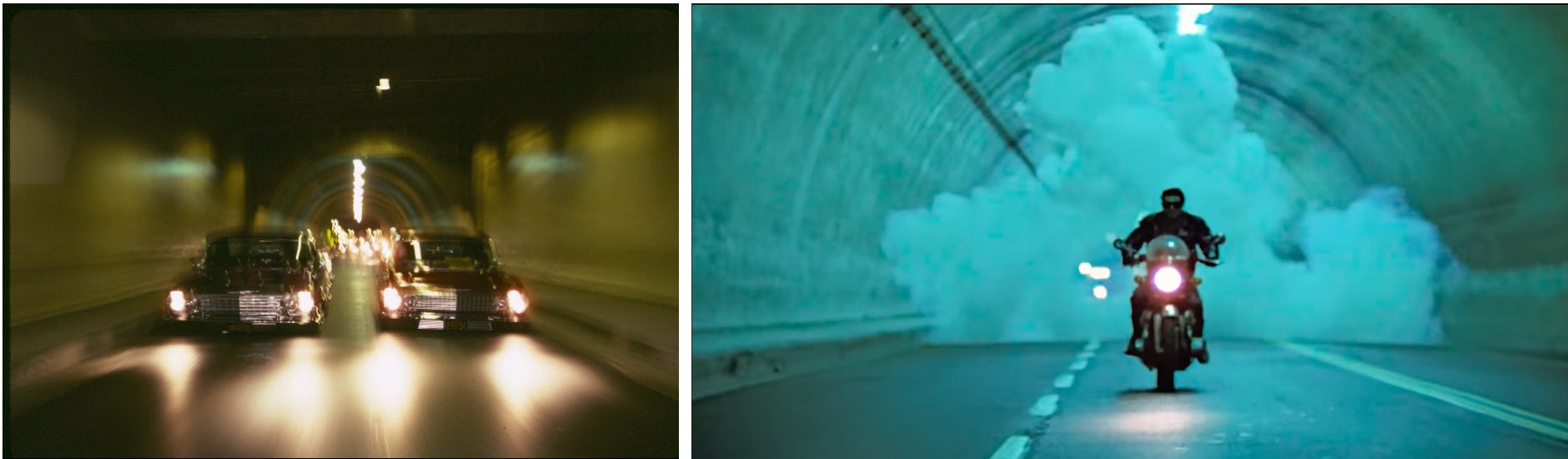
I lay prone, propped up on my elbows, looking out the back of a 1970-something Plymouth Fury station wagon, tailgate down, a motor-driven Nikon pressed to my eye, while being driven fast through the Second Street tunnel underneath Bunker Hill in Downtown L.A.
Two battery-powered flash units gaffer-taped to the roof of the Ford and synced to my camera’s shutter shot short bursts of light like automatic weapons fire at the two shiny Chevys chasing us neck and neck, strobing them like disco dancers in the dark.
The drivers dropped their chassis lower to the ground with electric pumps and hydraulic suspension, so pyrophoric steel plates bolted underneath scraped the pavement like giant Zippo lighter flints, spraying golden sparks out the back— Roman candles for exhaust pipes.
I exaggerated the illusion of speed in still photos by using a slow shutter, combining motion blur with stop-action flash—“dragging the shutter”—so the cars popped out sharp against a less distinct backdrop of grime-streaked tiles in our subterranean chute. Picture the Flash, straight out of a comic book, running at full tilt with a comet’s tail in his wake.
Well, that was fun!
A siren’s short shriek shot through the tunnel like a bullet through the barrel of a gun, chased by a persistent wail that overwhelmed our own double-digit decibel assault on peace and quiet.
Nictating red lights lit up the walls and vaulted ceiling all the way to where the tunnel spat us out.
The squad car pulled us over. Two wary cops got out, their high beams trained on us in harsh contrast with the sickly yellow streetlights. One cop was a woman. She approached the driver of the station wagon, my photo assistant. He had the wheel, but I had the camera, so she pivoted toward me instead. As I crawled out the back of the station wagon, her partner kept his eyes on the other two cars.
“What the hell are you doing?” she cried. I detected a glimmer of glee, a twinkle in her eye.
L.A. cops are used to all kinds of weird shit going down; all of L.A. is Hollywood—the same tunnel became the location later that year, 1984, for Schwarzenegger’s motorcycle chase scene in The Terminator.
The thing is, we didn’t have a filming permit. If we’d had one, these two officers, plus as many other traffic cops a production company could bankroll, would have cordoned off the tunnel so we could shoot under controlled conditions. They must have deduced, however, that this was no lowrider sideshow; there was no audience. It was also the weariest, quietest hour before dawn, decades before anyone had either the means to video such a thing or social media to share it on. But newsweeklies with deadlines didn’t always have time to swing a permit. Guys like me got hired to accomplish feats of derring-do, aware that apologies are easier to give than permits are to get.
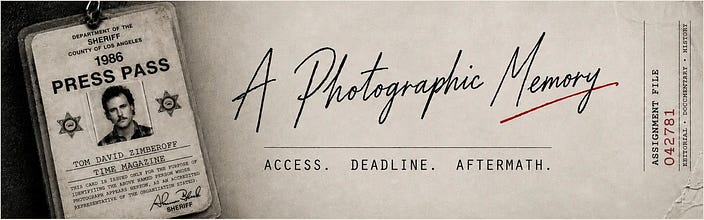
My hope was that these two cops had already been on duty long into “the late show,” but not yet at the end of a boring, all-night shift, happy for distraction. Explaining that I was shooting a story for Time magazine about Mexican-American culture, including lowrider car clubs, I whipped out my L.A.P.D. press pass, a laminated photo ID that one jumps through all kinds of hoops to get. I told the female cop that this was a legitimate news story, not commercial entertainment, and because I had a deadline I’d have no film to file for publication if I’d gone through channels.
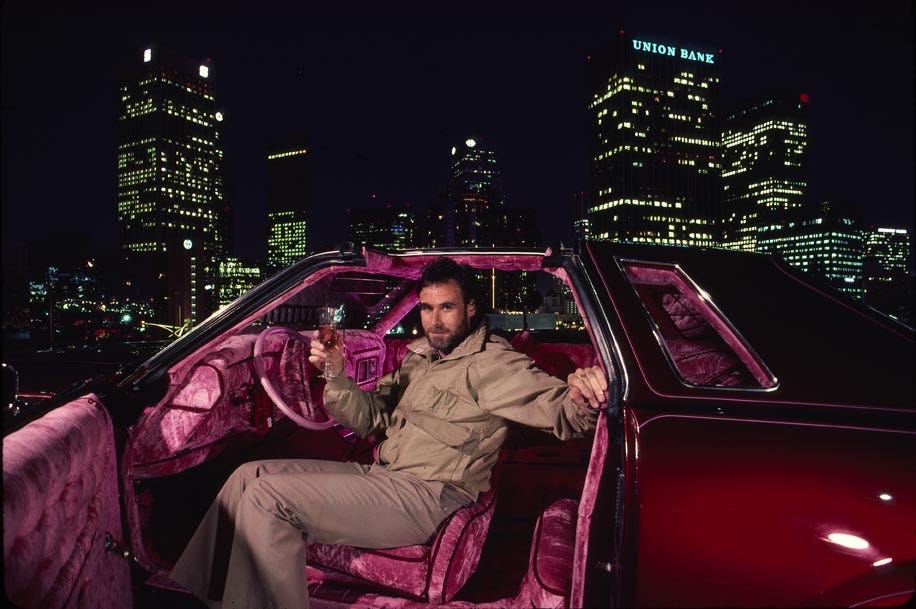
There was a real possibility of getting written up for some misdemeanor with a hefty fine attached, or even getting hauled off to a holding cell; we were within eyesight of County Jail. I don’t know what her partner thought, but fortunately she was playing good cop that night.
“I’ll give you one more try to make sure you got it right,” she said straight-faced. “Then get out of here, and don’t let me see you do it again.”
I swear I wanted to ask her out. But I noticed she was sporting a ring along with her badge.
Shooting assignments for newsweeklies rarely affords time for anything like a deeply reported documentary or photo essay. Something like that would take weeks or months to do properly. On a magazine assignment, I usually had to illustrate whatever a reporter was writing about, then ship my film ASAP to fulfill a deadline, all in a day’s work. Then, I’d be off to my next assignment—or promoting myself to get one. But everywhere I turned in East Los Angeles, there were picturesque expressions of a culture that captivated me to distraction. So I did what I could; for instance, trying to spend some time with a lowrider car club. But all the while, I was eyeballing—and being eyeballed by—a more ferocious fellowship: the White Fence, an East L.A. gang in the Boyle Heights barrio.
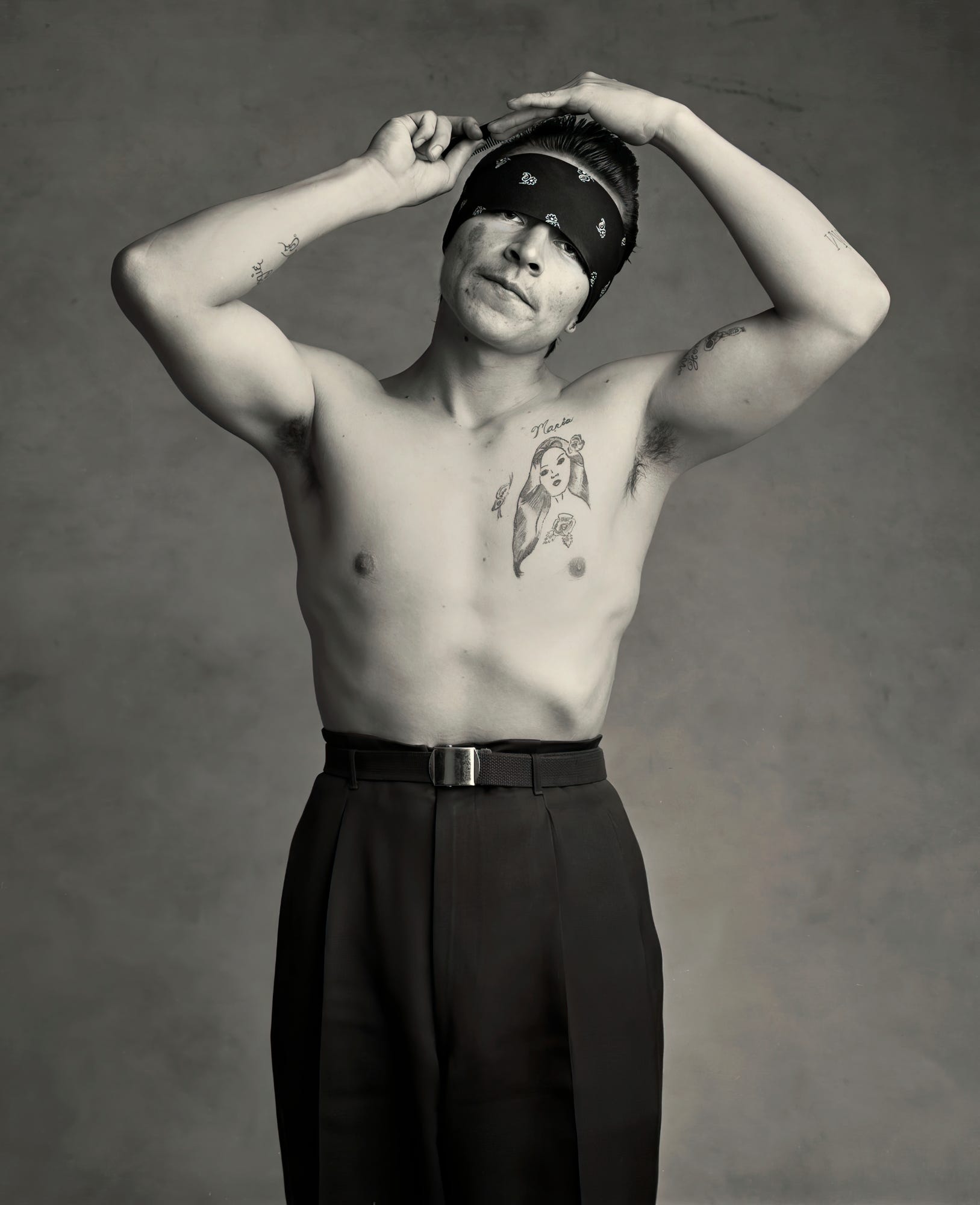
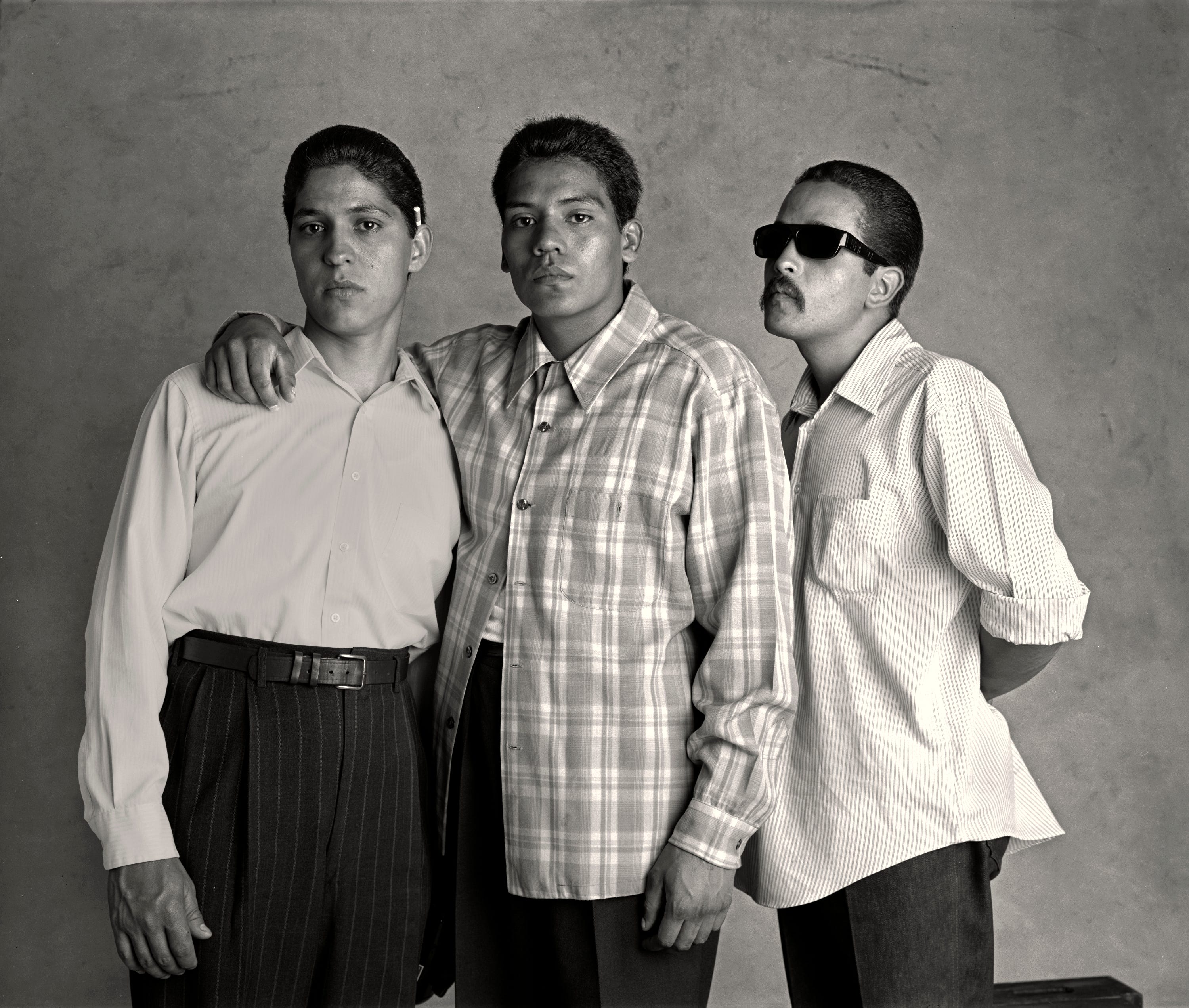
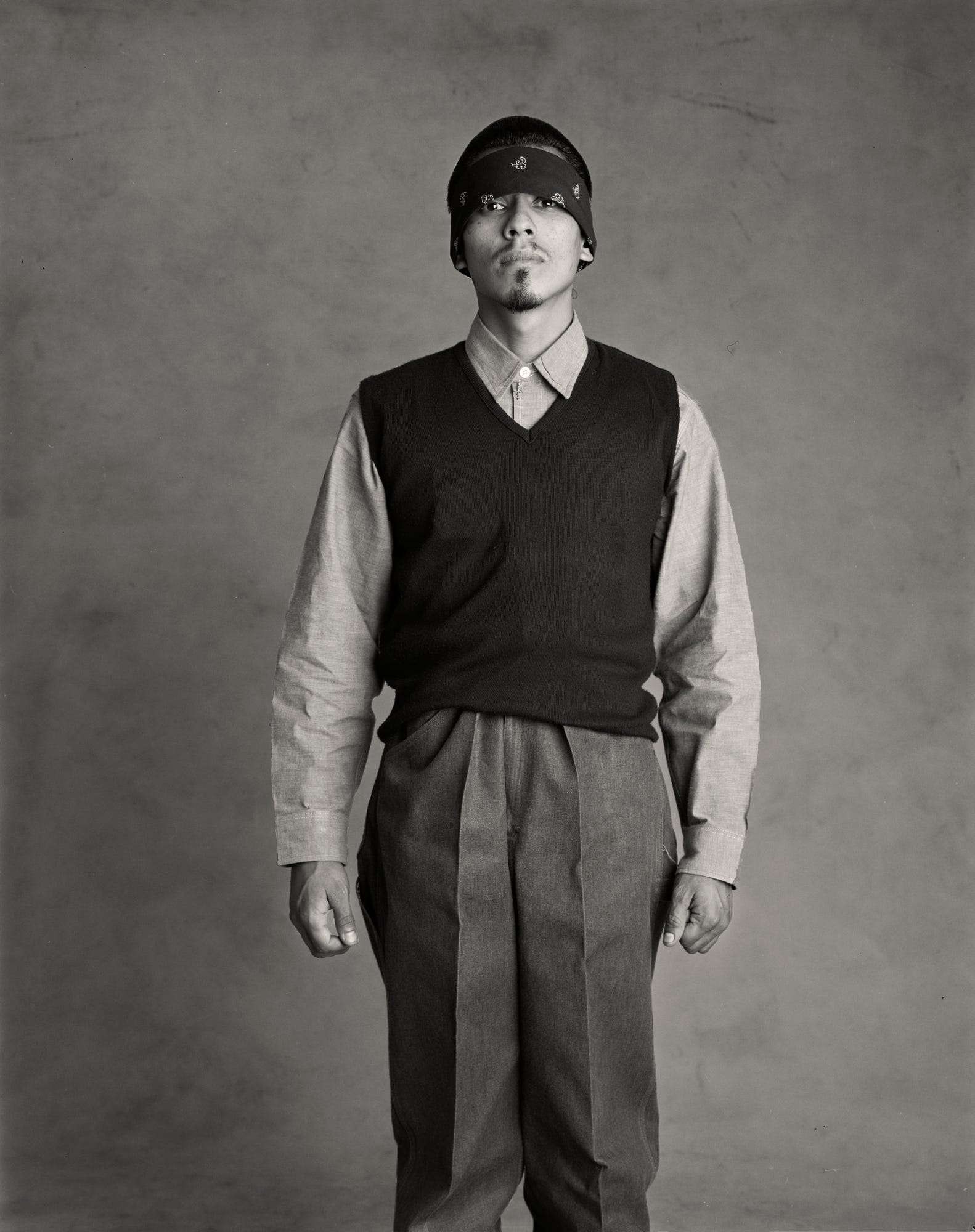
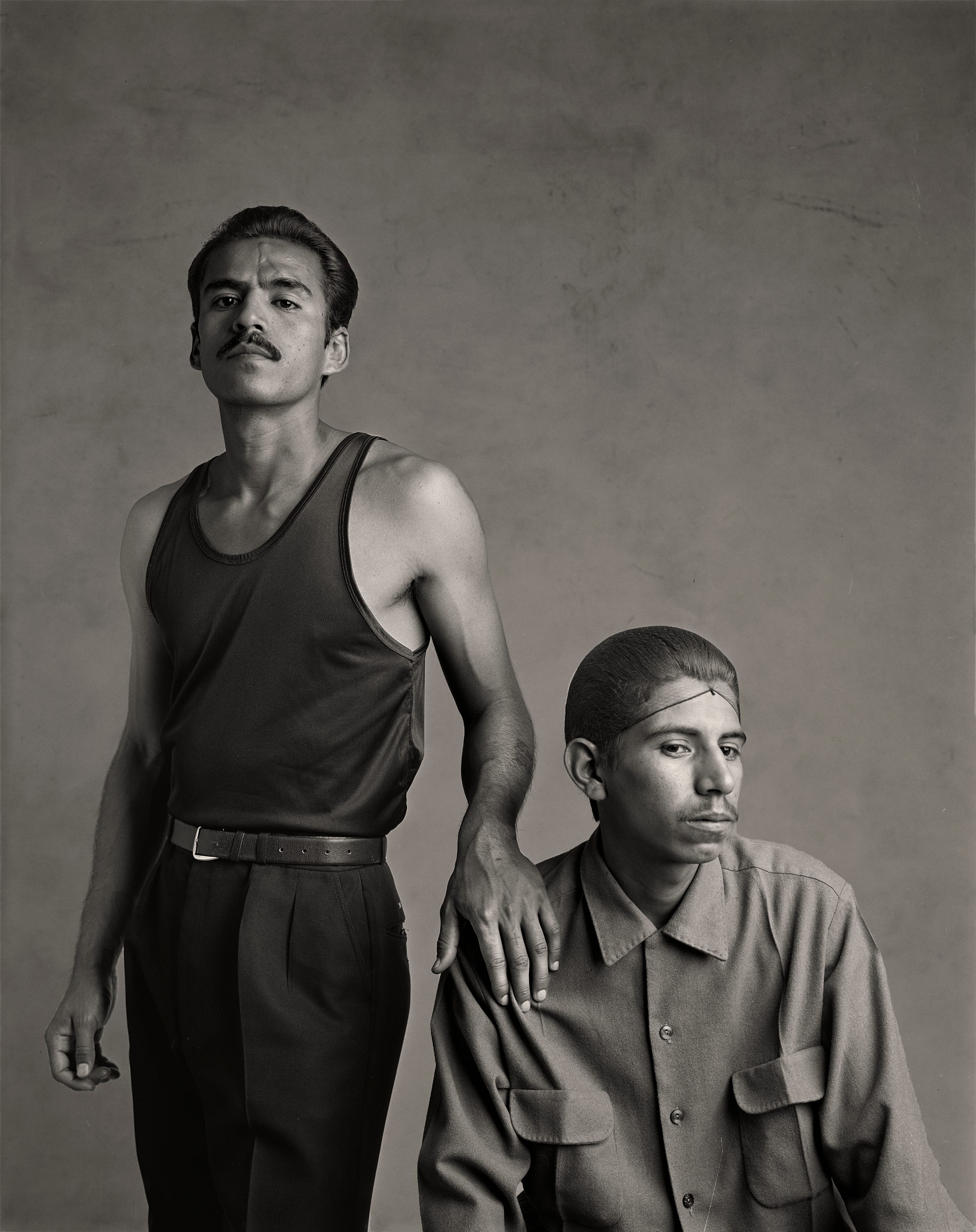
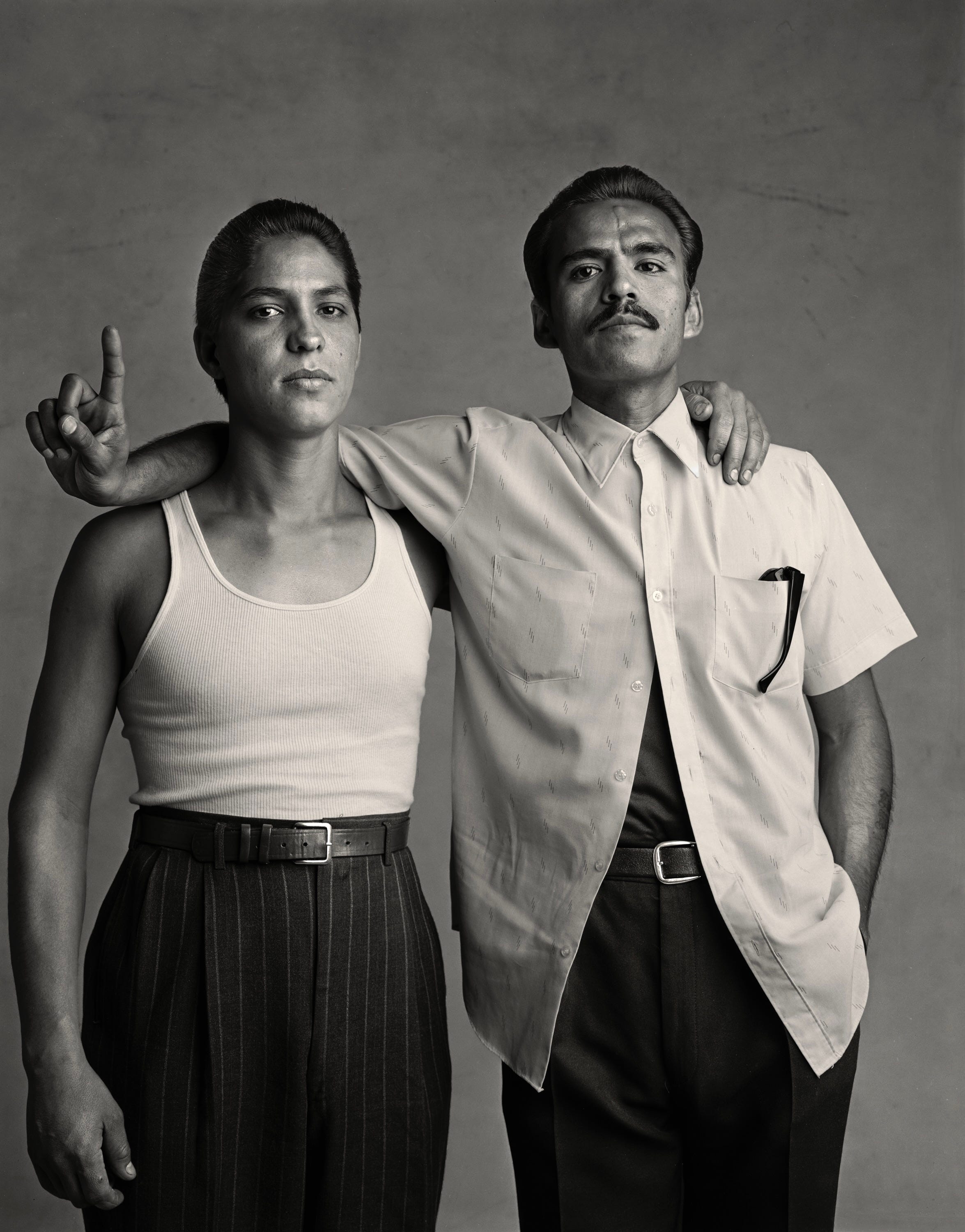
They were a handsome bunch, irrespective of their criminal history—the oldest gang in Los Angeles—with murderous rivalries dating back to 1900. The name White Fence itself came from the white picket fence that once enclosed La Purísima Church, their neighborhood parish. What began as the “La Purísima Crowd” evolved into White Fence, the name carrying both a literal and symbolic charge: a boundary between the parish and the street, between Mexican-American youth and the Anglo world that fenced them out.
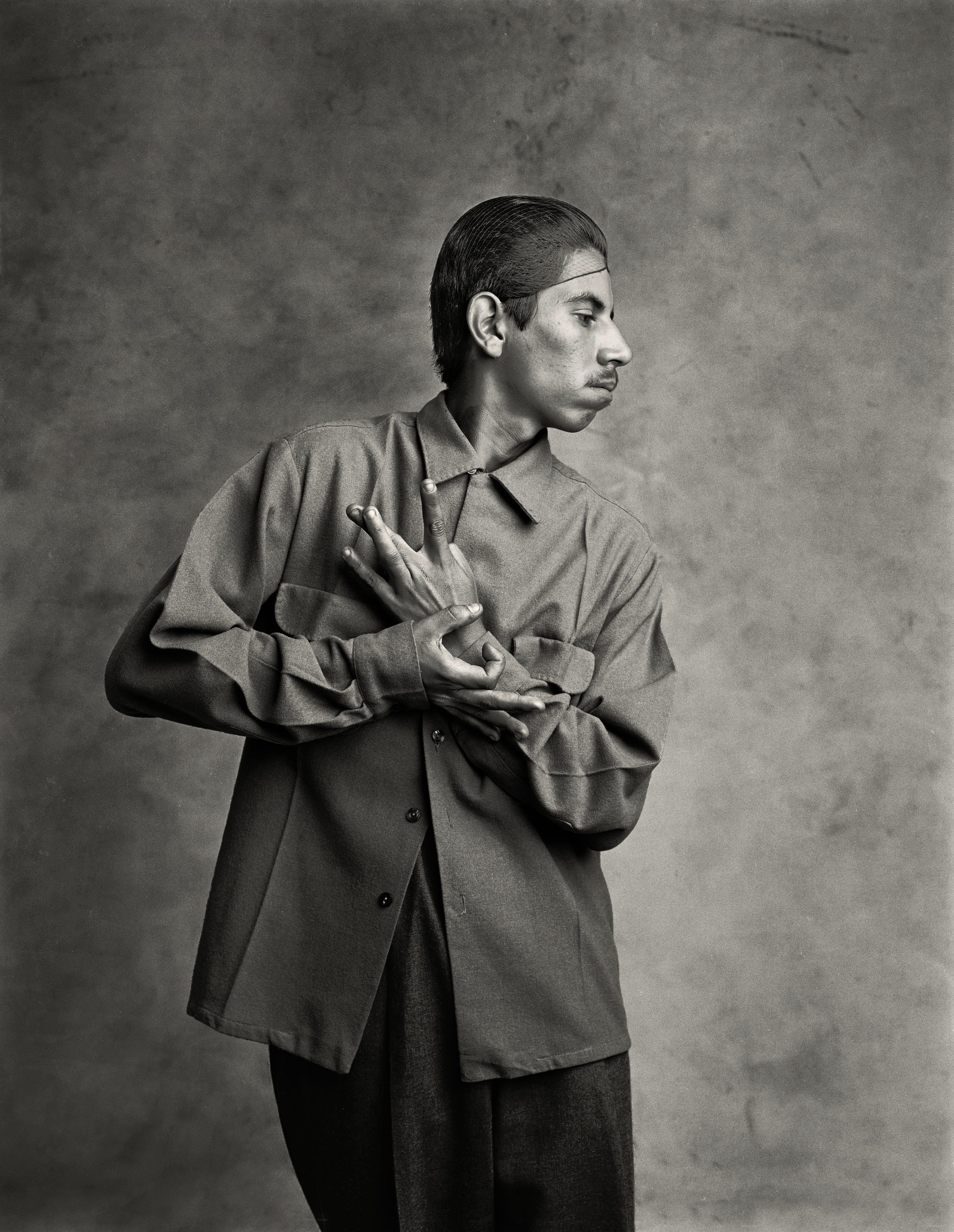
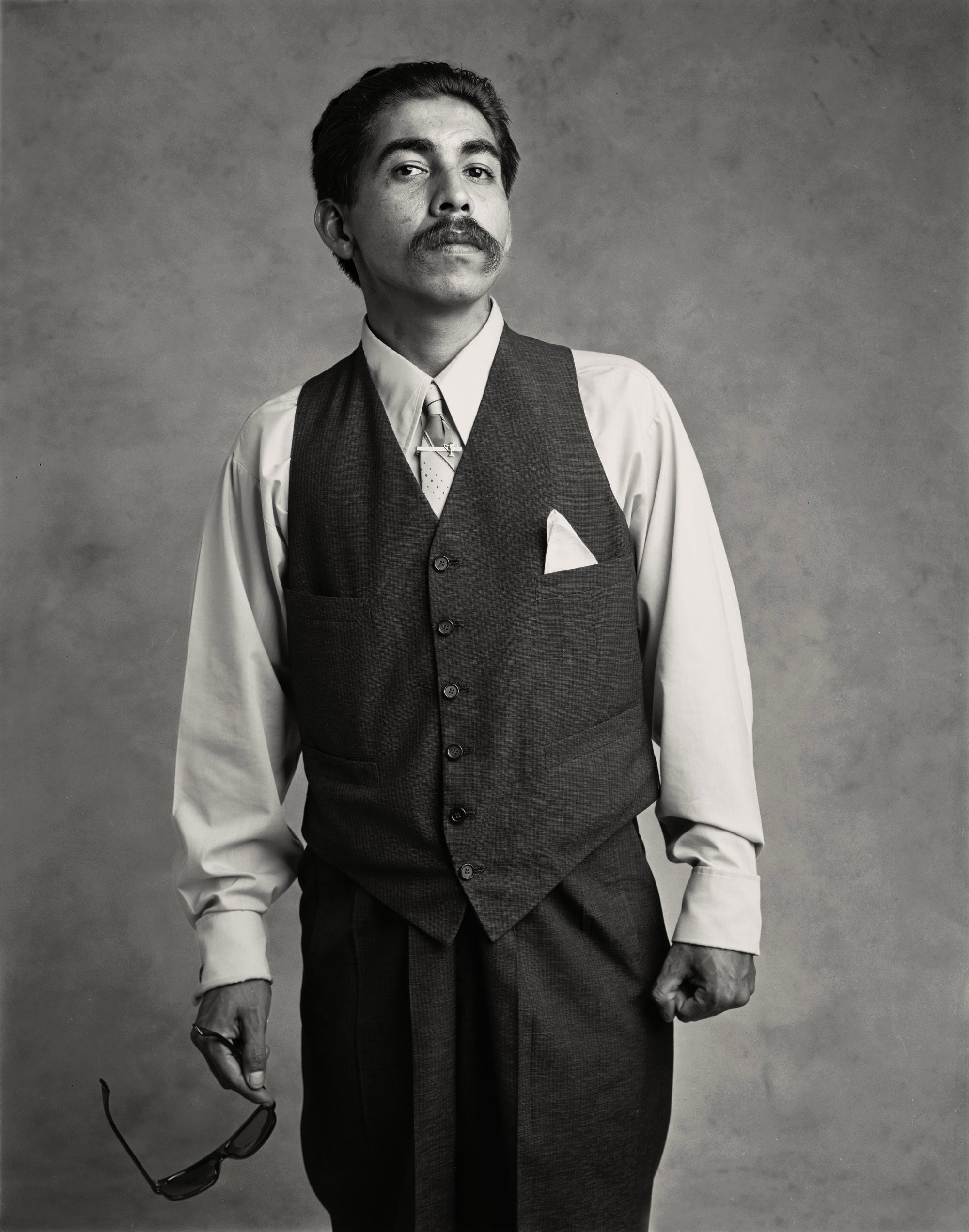
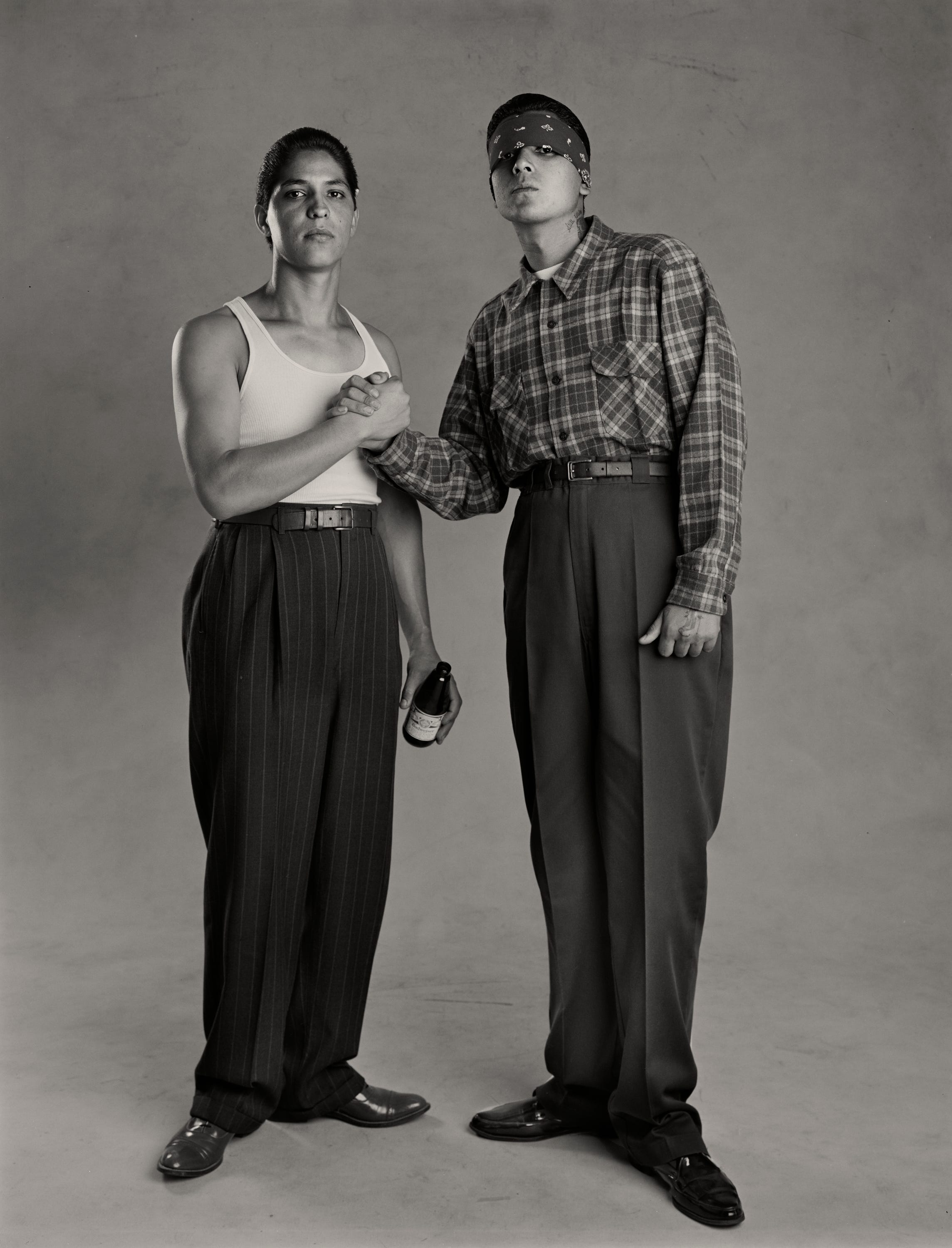
Sharply-pressed threadbare slacks, wife beaters, hairnets, bandanas, button-down shirts closed at the collar but unbuttoned at the belt, shiny shoes, tattoos, hand signs. What immediately struck me about the White Fence gang wasn’t menace, but their proud, theatrical, and self-curated assertion of identity—a razor-sharp grammar of style: wardrobe as semiotics.
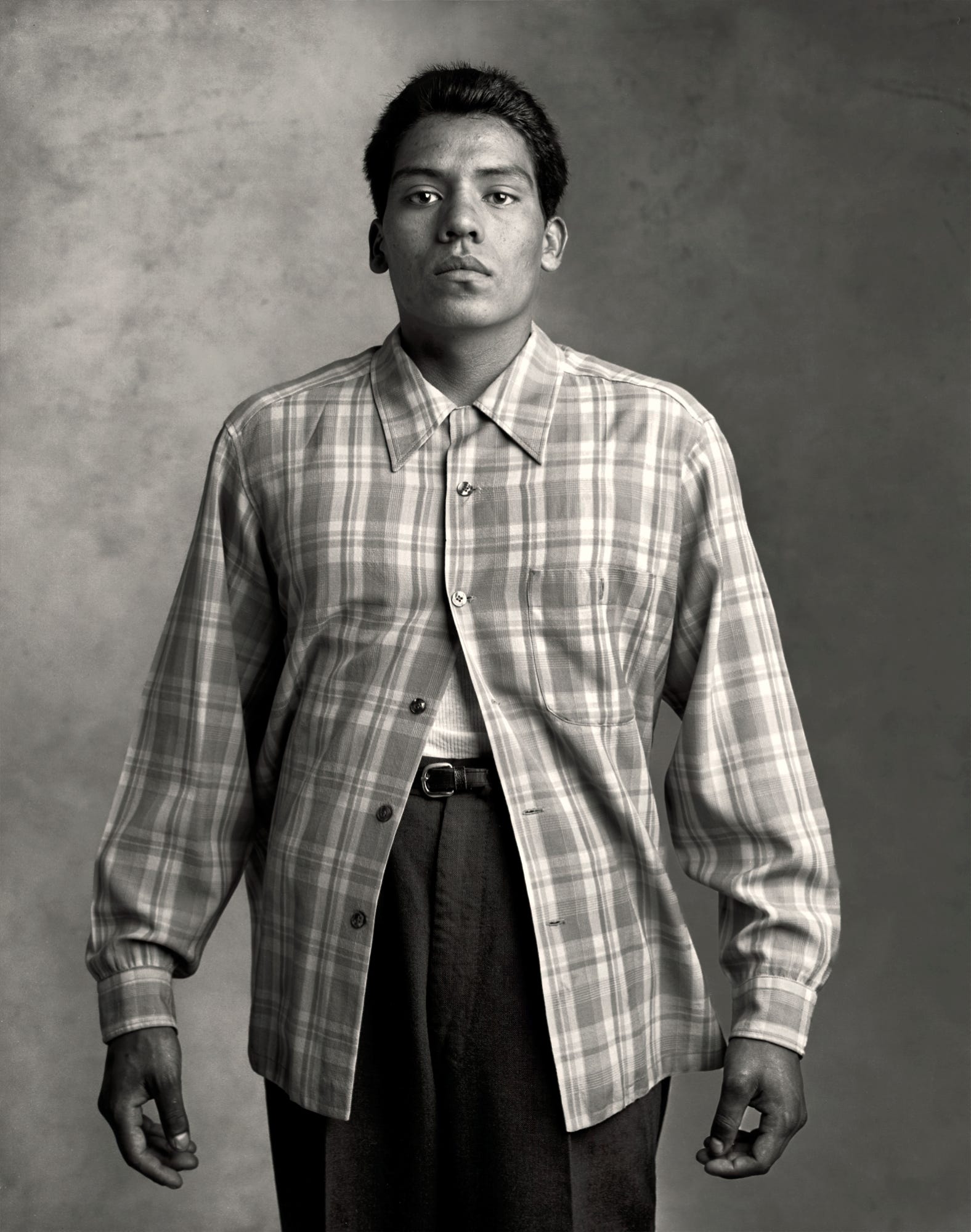
I met a woman in Boyle Heights who worked for the city and had ties to a nonprofit that helped keep kids out of gangs—and helped some already in find a way out. She introduced me to a few gang members. I proposed portraits not on the street but in my studio, a neutral zone light years from the planet they lived on, closer to Beverly Hills than Boyle Heights.
They wanted to be paid. That wouldn’t fly. But they started to catch on to the idea I laid out for them: our portraits would create a historical record with a fashion twist. My motivation was art, not exploitation.
Curiosity won out. On the appointed day at the appointed hour, I waited outside in front of my studio on Beverly Boulevard. Three cars showed up and parked with indifference at the red curb. Eight homeboys got out. I ushered them inside. My studio partner was apprised in advance about who’d be showing up, but he must not have paid attention because, when he saw those gangbangers, he quickly disappeared upstairs into his office and stayed there.
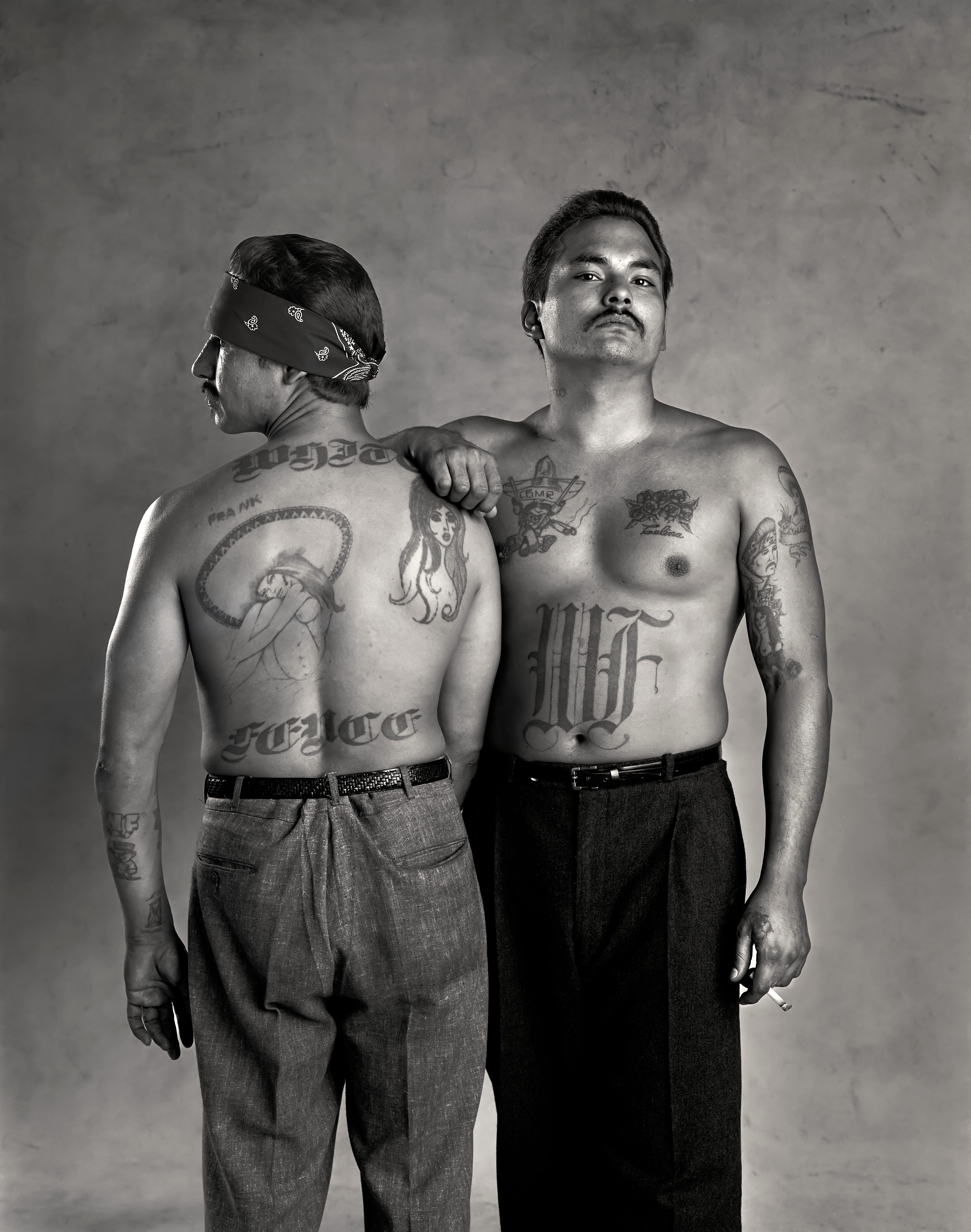
I wished more of them had come. I wish they’d brought their girlfriends and wives as I had requested. The women, they explained unapologetically, were home in curlers, prettying up for some kind of fiesta. But that’s exactly what I had hoped to get on film: before and after—big hair, exaggerated makeup. Perhaps another time, they said.
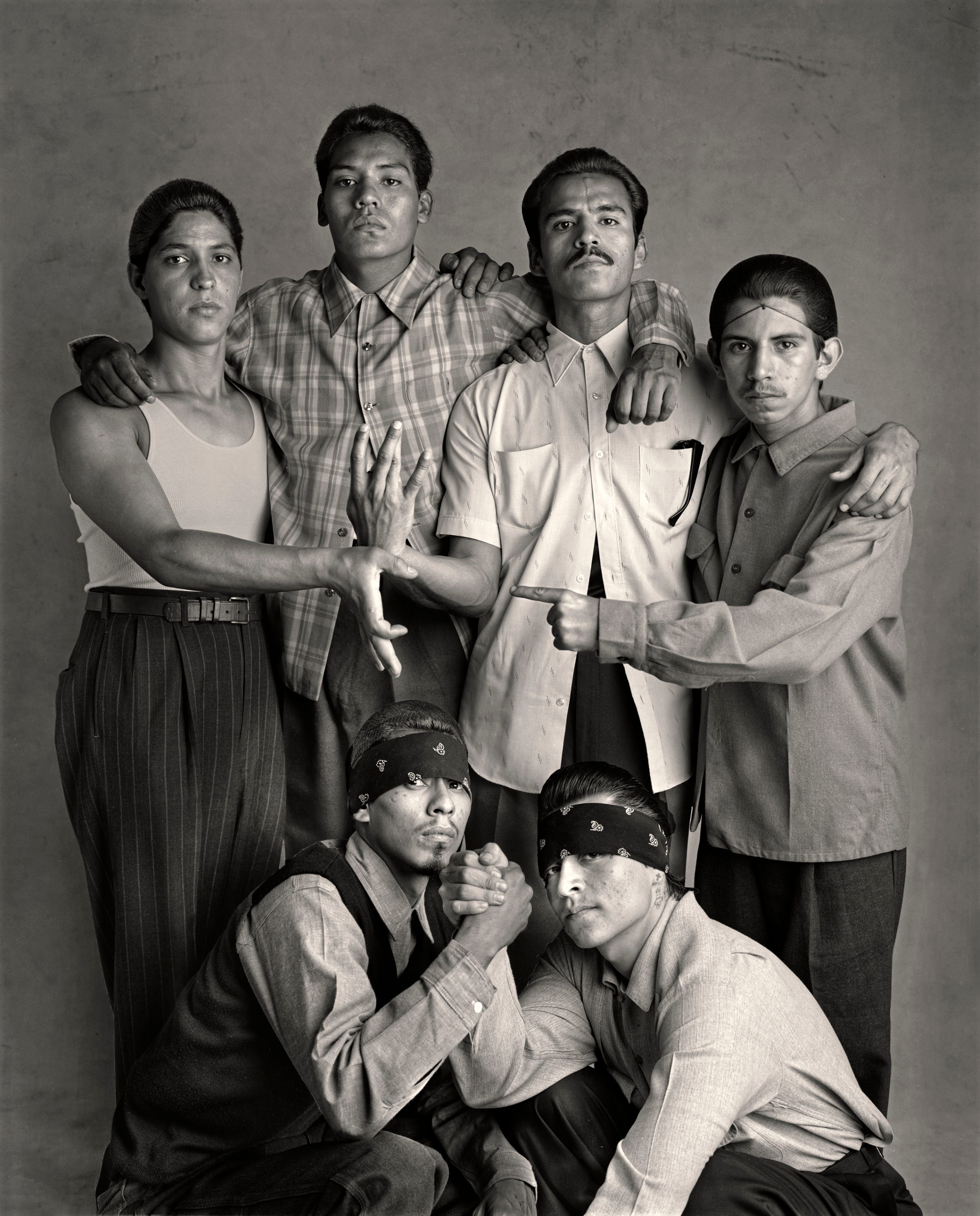
These young toughs endured the strange ritual of posing in front of an “old-timey” camera and a tall lightbox. The big 4x5 with its accordion bellows, on a tripod of course, slowed things down and demanded deliberation. Theirs and mine. I stood the men in front of the camera one by one and in small groups. They relaxed a bit. It wasn’t trust, exactly, but performative participation. They let me see them on their terms. They became more comfortable with mine.
Those who weren’t on camera drank beer, ate the pizza I had delivered, and wandered around the studio. They grew restless, less cooperative. It had been two hours. I made a little speech about how we were just getting started and how I wanted to bring the women back to the studio. They remained noncommittal. They took the hundred bucks I offered to fill their gas tanks and left.
Share this story!
Coming Attractions!
“Object of Desire”
Next on A Photographic Memory, a bit of backstory: how one instrument gave me a voice, and another changed the composition.
Before photography claimed me, I belonged to the clarinet. Then came a transformational move as a high-school kid from Las Vegas to Beverly Hills, crazy run ins with some famous people, a scholarship to USC, a Nikon I couldn’t afford, and a blood-red, snakeskin-covered Pentax that became my first camera under circumstances I will attempt to explain without incriminating myself.
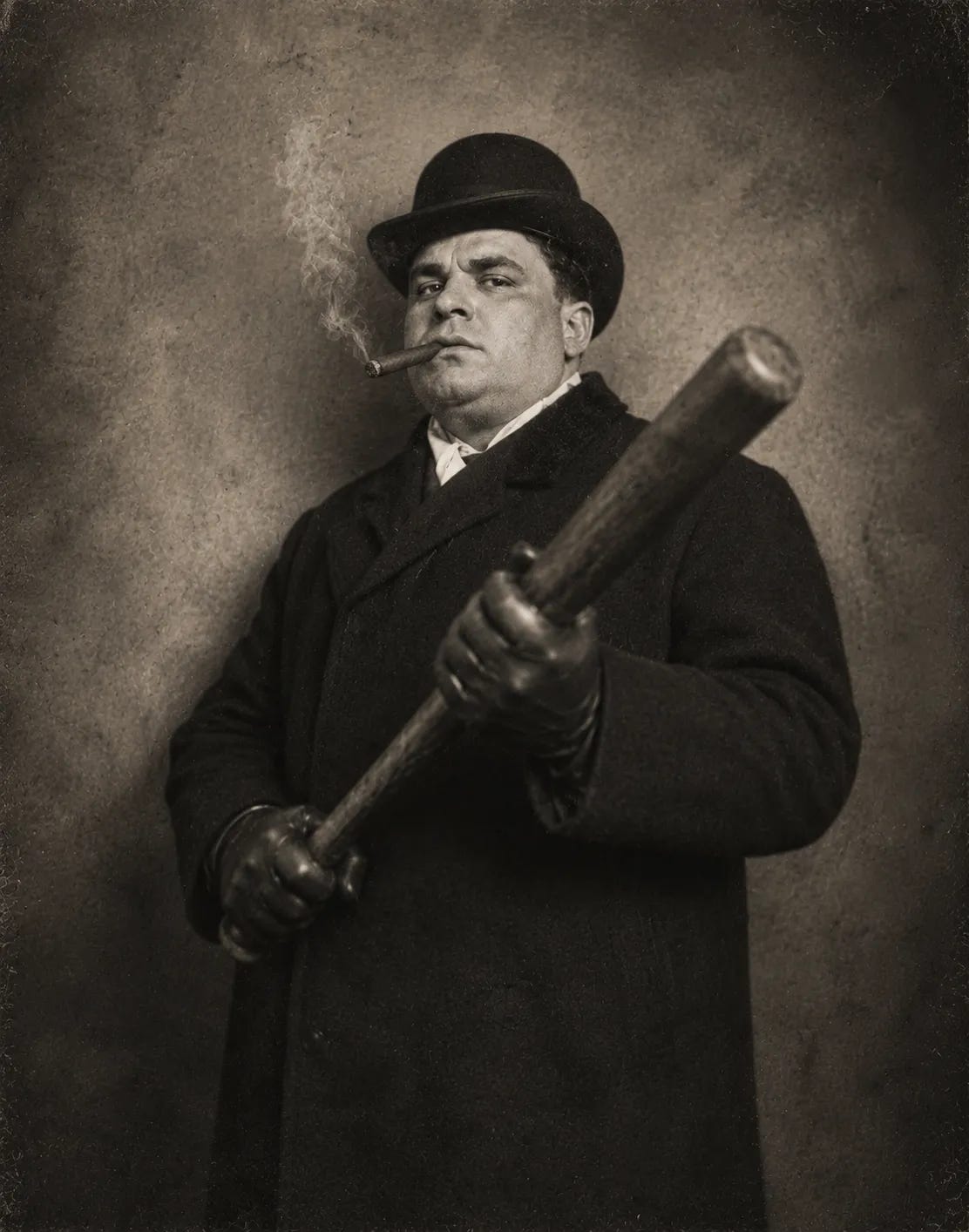
My grandfather has strong feelings about paid subscriptions.
For the price of a tall latte once a month, you can pull up a chair right next to me while I keep the archive open—stories, photographs, dispatches from the golden age of magazines, and reflections on memory, fame, visual culture, and what happened just outside the frame.
The photographs are the way in, but the writing carries its own weight. Your support helps keep the work flowing.
That latte goes a long way.
It’s not nostalgia. It’s witness.