Out of Tune
The accidental start of a career: touring with the Jackson 5 and the first cover of People.

I was nineteen by the end of my sophomore year at USC. The new Selective Service lottery left me virtually immune from the draft. And I’d had it with college.
For one thing, the Trojan Band felt more like a burden than a privilege: weekend marching practice, band room rehearsals, compelled attendance at USC games. Nor was I cut out to live in the bubble of wholesome conformity that seemed to thrive on campus, sealed off from the moral and political reckonings convulsing universities across the country. Elsewhere, students occupied buildings, confronted police, marched for civil rights, and tried to stop a foolhardy war. At USC, I had to keep my band uniform pressed for halftime shows.
I was out of sync, immersed in the dissolute culture I had embraced off campus. My thoughts yanked me this way and that, like a dog on a leash, dragging me away from anything that might have constructively shaped my future. My study habits, already poor since leaving Las Vegas, had completely unraveled. My grades tanked. I landed on academic probation.
Beyond classical music, no one offered guidance to understand either myself or the world I had wandered into. I stopped practicing my clarinet and saxophone. I was miserably depressed. I abandoned my scholarship and didn’t return for my junior year.
Mitchell Lurie, my clarinet professor, was deeply disappointed when I told him I was leaving school. He respected my playing enough to ask me to stay, and I was flattered. But I needed something more than encouragement for my musical talent. I did not know what kind of help I needed or how to ask for it.
USC offered me a marvelous education, but I squandered the opportunity. Before college, I knew my destiny beyond any doubt: clarinet virtuoso. My prospects were now those of a musical manqué with fuzzy ideas about a photography career.
Or maybe the record business.
The room I’d been renting from a modestly successful record producer in Santa Monica was no longer available because he got married. I moved back into my parents’ apartment. For a few months, influenced, I suppose, by my former roommate, I fancied myself a rock ’n’ roll manager, booking club dates for a friend’s band while photographing aspiring actors’ headshots for money.
I was shooting other fledgling bands, too, mostly live at gigs around the city, building a modest list of record label clients. But I couldn’t figure out how to break into the music business as a producer, something else I seriously hoped for a while to become. Still, money trickled into my pocket from photography. It wasn’t much, but just enough to almost see a career path through my haze of indifference. Photography was something I did, but it didn’t yet define who I was.
I was wallowing in the mud of mindlessness, spending too much time at the Daisy, trying to be cool, trying to fit in—with what, I had no idea—while drinking, drugging, and womanizing. Mostly older women. One-night stands. There were also plenty of parties to crash.
At one of them, I was frugging—or something resembling dancing—on a crowded patio behind a house in Coldwater Canyon when I felt a tap on my shoulder. I turned to face the enormous torso of Wilt “The Stilt” Chamberlain. I looked up at all seven feet plus as he bellowed over the pounding R&B to ask if he could cut in.
“Nope,” I said, turning back and smiling at my partner.
She smiled back.
Three-pointer.
Something less amusing happened after one of those parties: I came to behind the wheel of my Fiat, hanging ten over the south side of Mulholland Drive. I had no idea how I’d gotten there or how long I’d been there.
No more Quaaludes and vodka.
Any naïve illusion I’d held—that good fortune was an entitlement, that life would always turn out for the better—was shattered. My despondency deepened.
Then, one day I caught a news report on my car radio: Olympic swimmer Mark Spitz was getting married. Spitz had become an American hero and a household name after winning seven gold medals and breaking as many world records at the 1972 Munich Games. He was the Michael Phelps of his day.
Bigger.
Spitz’s agent, Jay Bernstein, came on the air to announce the betrothal. I knew his name well; he was a friend and business associate of my sister’s husband. I spotted a pay phone and slammed on the brakes, too impatient to wait until I got home.
Game on.
My brother-in-law, Mike Roshkind, thirty years my senior, was an entertainment industry big shot. A mogul. As vice-chairman and COO of Motown Industries, he helped Berry Gordy move Motown Records from Detroit to Los Angeles and expanded the brand into film production with Lady Sings the Blues, Mahogany, The Wiz, and The Bingo Long Traveling All-Stars & Motor Kings.
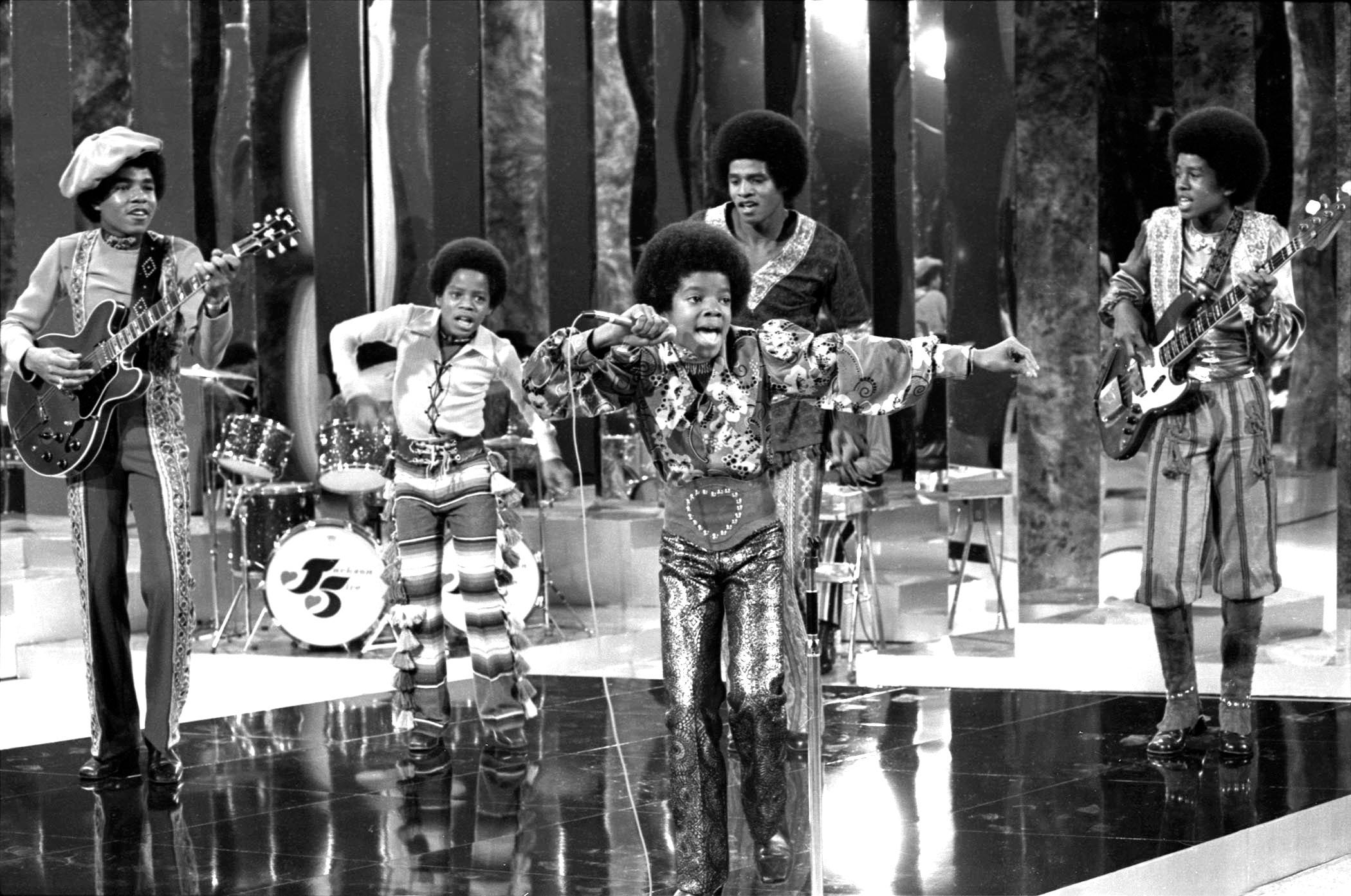
Mike had also orchestrated a “press conference” at the Daisy in 1969, where Diana Ross introduced eleven-year-old Michael Jackson and the Jackson 5 to the world. She was ballyhooed as their discoverer and mentor, even though she’d only recently met them. But this PR stunt served a larger, dual purpose. It launched the J-5 and publicized what Mike cleverly described as a “two-for-one stock split” for Motown: Diana’s debut as a solo act, post-Supremes.
Now I had an idea.
Bernstein, a dandy who sported a cane, a stylish affectation, was one of the biggest agents in Hollywood. To nail exclusive pictures of his client, Mark Spitz, would mean money in the bank. So I called Mike, a gruff-talking, Brooklyn-born guy who drove a Rolls-Royce and wore expensive suits like armor. I kissed his ring telephonically and asked for a favor.
I wasn’t a shoo-in, but two days later I got it: I would be allowed inside the Beverly Hills Hotel with my cameras, exclusively, to attend the Spitz nuptials. The official wedding photographer’s pics were embargoed.
And—whaddya know!—the Spitzes got Smokey Robinson to sing at their wedding.
I called Tony Korody, the former student photo editor at the USC Daily Trojan—still friends from college, now running Fourth Estate Press—with the good news. Though he was shooting celebrity pics and political events himself, he’d recently begun working with the French photo agency Gamma Press Images to syndicate photo stories he aggregated from several freelancers throughout Los Angeles, including me, through his budding Fourth Estate Press. Essentially, F.E.P. was a sub-agent relying on Gamma to broker licensing deals with magazines. Because Gamma was based in Paris and had no other American West Coast presence, the F.E.P. was accredited to cover newsworthy events on its behalf. The press passes we wore on lanyards kept cops and celebrity handlers from giving us the side-eye.
Tony helped me syndicate my rock ’n’ roll pictures through Gamma and introduced me to Dave Jampel of the Imperial Press in Tokyo. Dave began licensing my rock concert photos to Japanese magazines, which helped me expand my small but growing roster of record label clients. Handing Tony the Spitz deal, all wrapped up with a bow, earned me an introduction to Eliane Laffont of Gamma Photos in Paris. She brokered the wedding photos to magazines around the world. It was my first real financial success in photography.
Emboldened, or maybe getting cocky, I asked Mike for another favor.
I got that one, too.
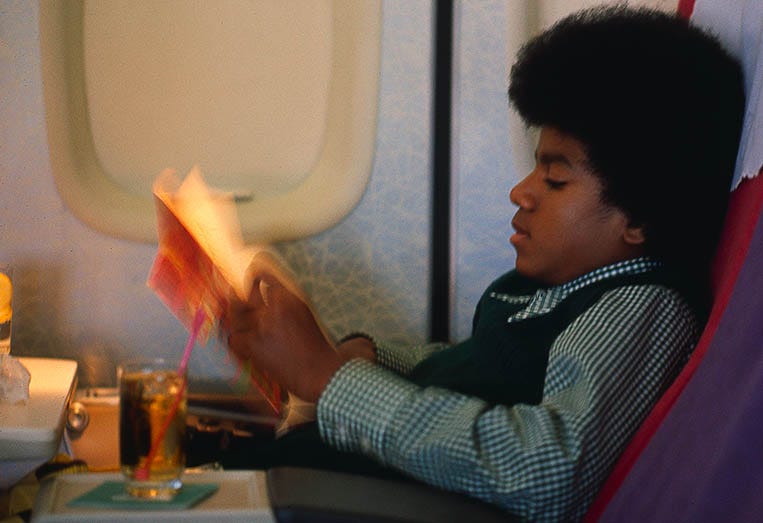
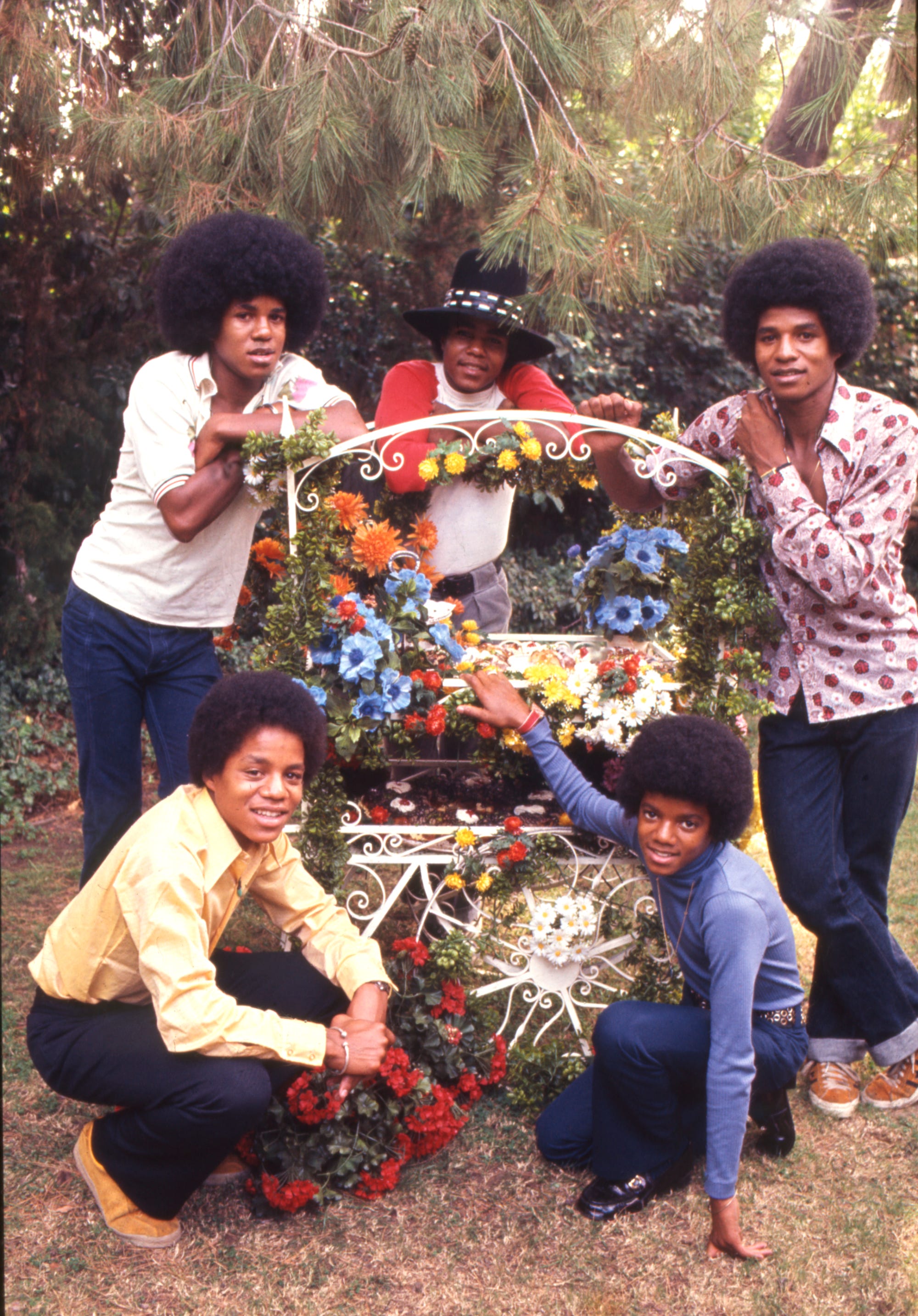
I’m sure I got it, like the first, because my sister Dede interceded, not because he was warmhearted about his kid brother-in-law. The favor this time? Motown’s public relations department hired me to go on tour with the Jackson 5 in Japan.
To be fair, Mike would not have arranged the gig if I hadn’t had the chops and a modest track record. Among my existing clients was MoWest, a Motown subsidiary record label. I landed that gig through Karl Bornstein, the record producer from whom I’d been subletting the room in Santa Monica, my first home away from home while at USC.
Just for the record, I was already shooting for MoWest before Dede and Mike ever met.
I’d never been outside the United States before, not even across the border to Tijuana. I’d only just gotten my first passport, but before I boarded the plane for Asia, I was already plotting a journey halfway back across the Pacific.
To Hawaii.
Jay Bernstein was impressed by the worldwide press coverage my Spitz wedding pictures got. So I went back to him on my own with a proposition: if I paid for Mark and Suzy’s Hawaiian honeymoon, how about granting me exclusive access for a few days of picture-taking around Honolulu, after giving them a week or so of privacy?
I don’t know what gave me the chutzpah to come up with a pitch like that. It would cost me $5,000—a small fortune at the time. But judging from the profits on the wedding pics, I knew I could absorb the expense and make a tidy sum from syndication if Bernstein said yes.
He did.
I called Eliane and Tony with this latest good news. The timing could not have been better. Eliane had just left Gamma to co-found the breakaway Sygma Photo News Agency, having already emigrated from Paris to set up shop in Manhattan. My honeymoon photos of Mark and Suzy would be Sygma’s first breaking story in America. A coup.
First, however: off to Japan with the Jackson 5.